
Lateral cephalometric methods

Classic cephalometric analyses for clinical cases: 14 ready-made methods. Click a card for author, focus, and when to apply. In the practice suite, the same preset is calculated on the patient's image.

What lateral cephalometric analysis can do in CephCalc

Upload a lateral cephalometric image (JPG, PNG, or DICOM) — the service helps place landmarks, calculate the chosen method, and save the report in the patient record.

Clinical cases

Image linked to the patient: study history, repeat calculations, and method comparison in one practice suite.

Ready-made and custom methods

Classic analyses from the catalog — and a builder: your own landmarks, formulas, and measurements tailored to the clinic protocol.

Auto-draft landmarks

Automatic placement on the image provides a starting landmark layout — then the clinician quickly adjusts landmarks manually for the clinical case.

PDF and clinical overview

The finished cephalometric report can be included in the clinical overview pathway and findings transferred to the treatment plan.

Method catalog

Click a card for the author, analysis focus, and clinical significance. In the practice suite, the same preset is calculated on the patient image.
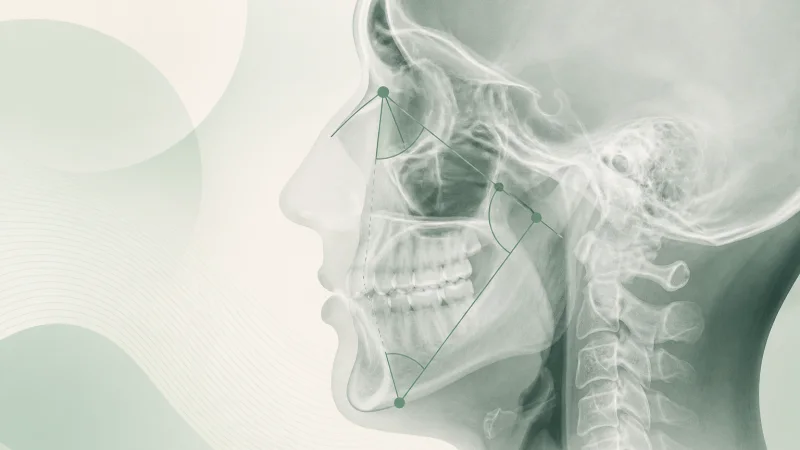
Primary class assessment Steiner

Steiner

Cecil C. Steiner

Steiner analysis assesses sagittal and vertical jaw relationships and incisor inclination relative to the SN plane and palatal plane.

Details
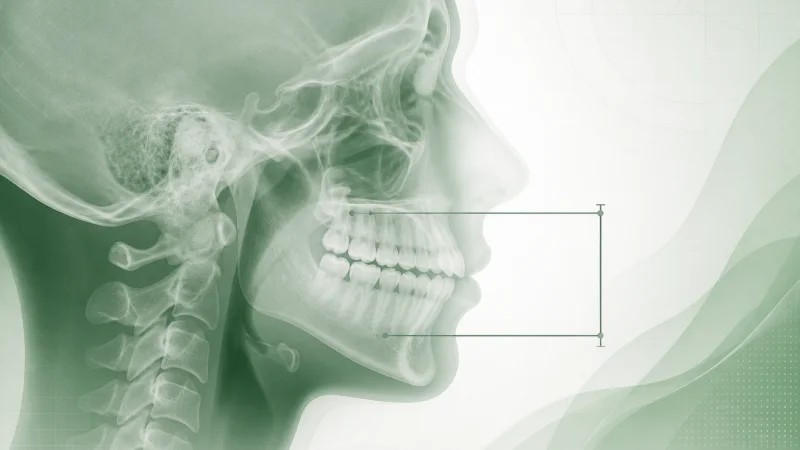
Jaw length and growth McNamara

McNamara

James A. McNamara Jr.

McNamara analysis supplements SNA/SNB angles with linear assessments of jaw size (maxilla/mandible) and incisor inclination to the palatal plane.

Details
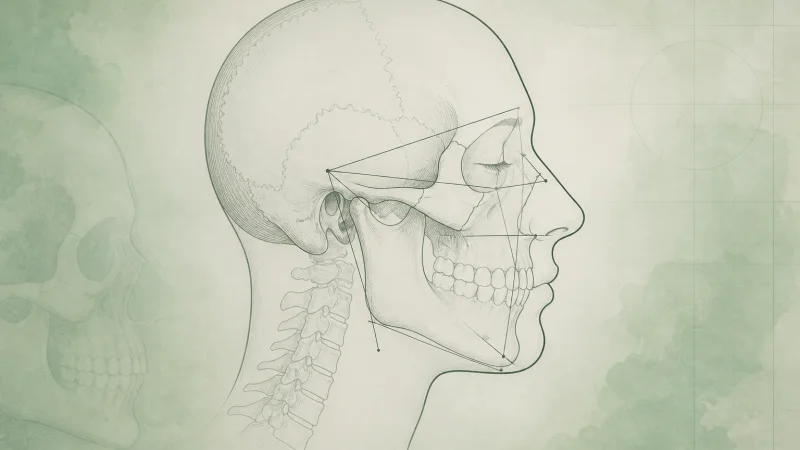
Compare with the classics Downs

Downs

William B. Downs

Downs analysis focuses on sagittal angles and incisor inclination relative to the SN plane and mandibular plane.

Details
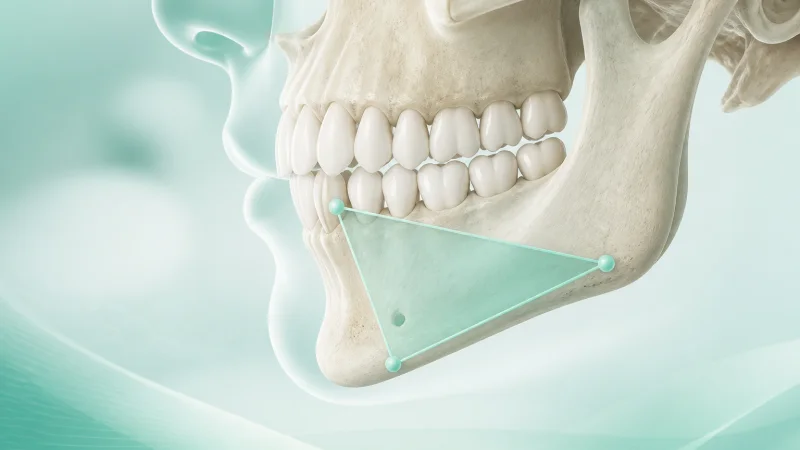
Lower incisor inclination Tweed

Tweed

Charles H. Tweed

Tweed analysis emphasizes the mandibular plane and incisor inclination (Tweed triangle).

Details
Broad skeletal profile Ricketts

Ricketts

Robert M. Ricketts

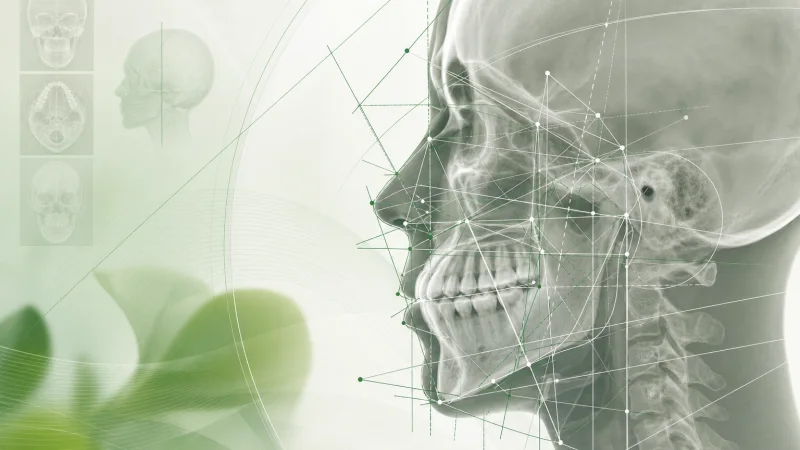
Ricketts: skeletal, vertical, dentoalveolar, and soft-tissue indices in the current core (full 33-factor set — on the roadmap).

Details

Soft tissue profile Holdaway

Holdaway

Robert M. Holdaway

Holdaway soft-tissue analysis: H-angle, lip position to the esthetic line (Pn–PogSoft), and basic skeletal angles.

Details
Lip balance Merrifield

Merrifield

William L. Merrifield

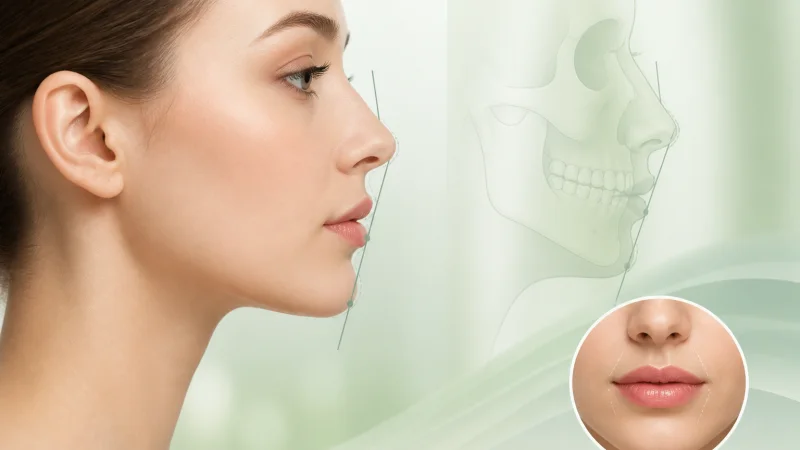
Merrifield analysis: Z-angle (PogSoft–Li to SN) and lip position relative to the Steiner S-line and esthetic line.

Details
Airway screening McNamara airways

McNamara airways

James A. McNamara Jr.

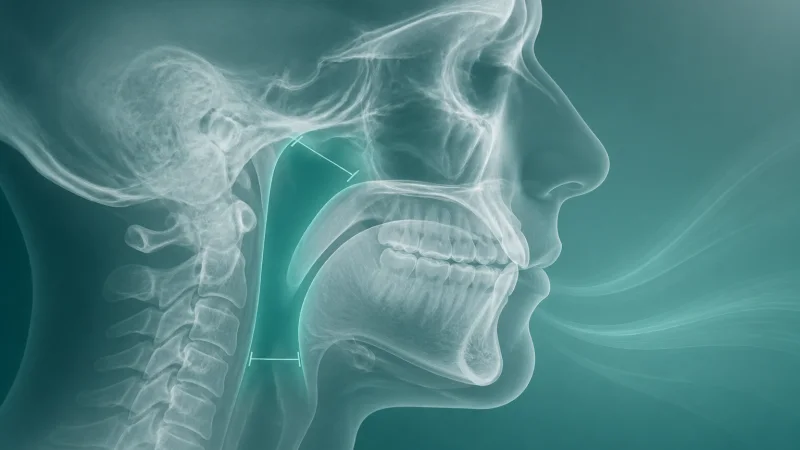
McNamara airway analysis: upper and lower pharyngeal widths and soft-palate length when airway landmarks are available.

Details
Growth pattern Jarabak

Jarabak

Joseph R. Jarabak

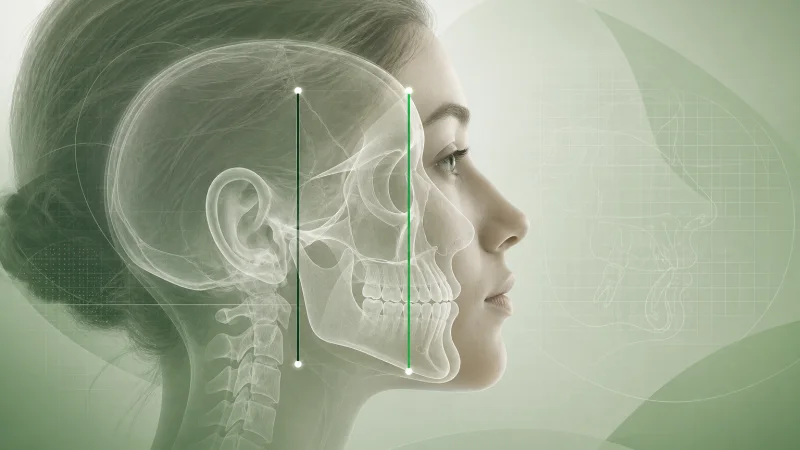
Jarabak analysis evaluates growth pattern from posterior/anterior face height ratio and mandibular angle.

Details
Growth polygon Björk

Björk

Arne Björk

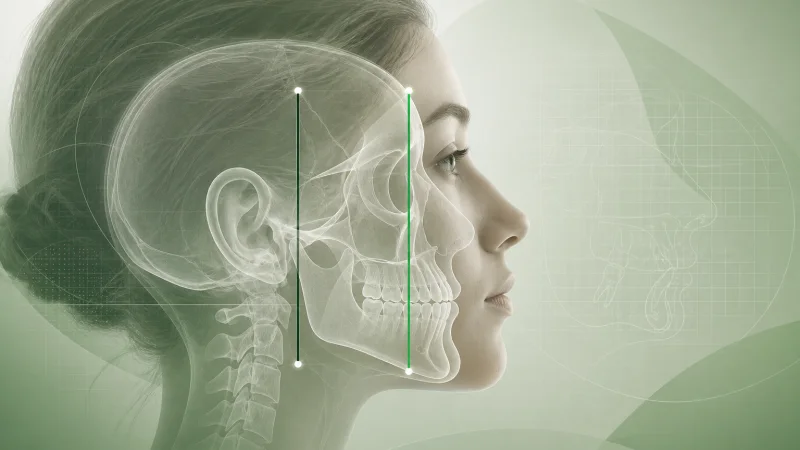
Björk analysis assesses growth direction from the NSAr–SArGo–ArGoMe polygon sum and the S-Go/N-Me face-height ratio.

Details
Occlusal plane and FH Slavicek

Slavicek

Rudolf Slavicek (Vienna)

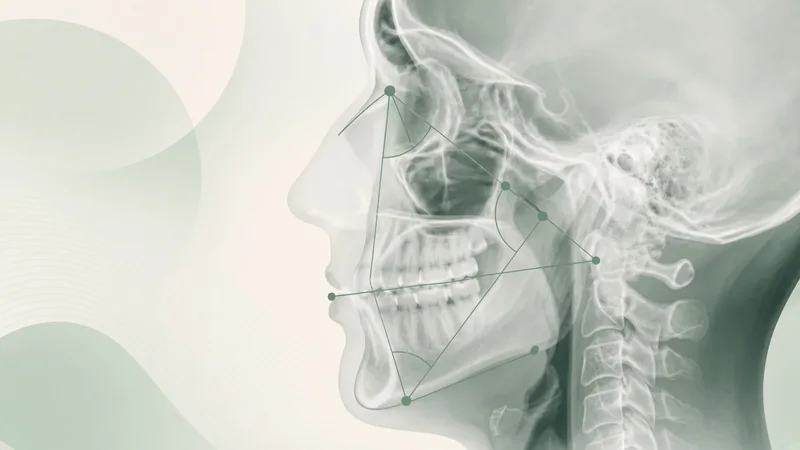
Slavicek functional guide: OP–FH and MP–FH to Frankfort Po–Or, S-Go/N-Me, and Co–Go / Co–Me surrogates (not axiography).

Details
When ANB is uncertain Wits

Wits

A. Jacobson (Wits appraisal)

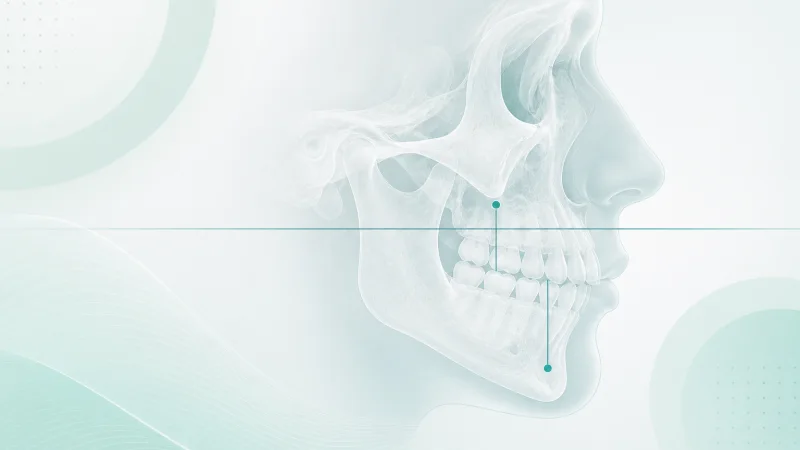
Wits analysis refines sagittal apical-base relationship by projecting points A and B onto the occlusal plane.

Details
Profile and vertical Schwarz

Schwarz

A. M. Schwarz

Schwarz analysis: sagittal jaw relationships and vertical profile based on available skeletal landmarks (soft-tissue block — on the roadmap).

Details
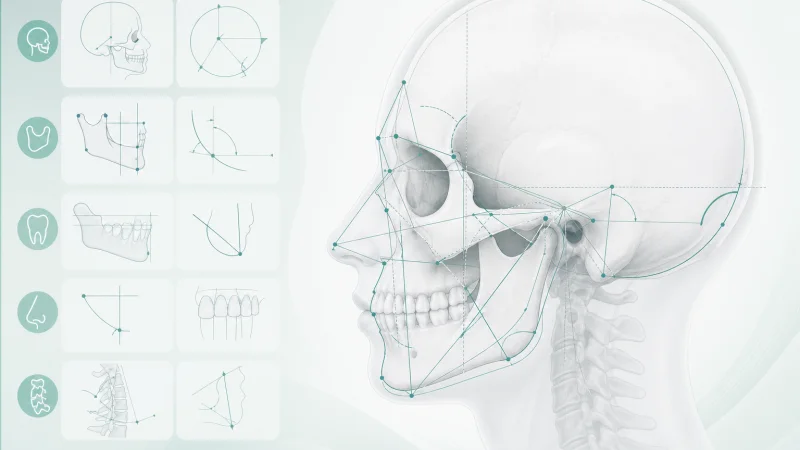
Structured report Bergen / Hasund

Bergen / Hasund

A. Hasund (Bergen)

Bergen / Hasund: interrelated skeletal, vertical, and dentoalveolar indices; individualized norms — on the roadmap.

Details
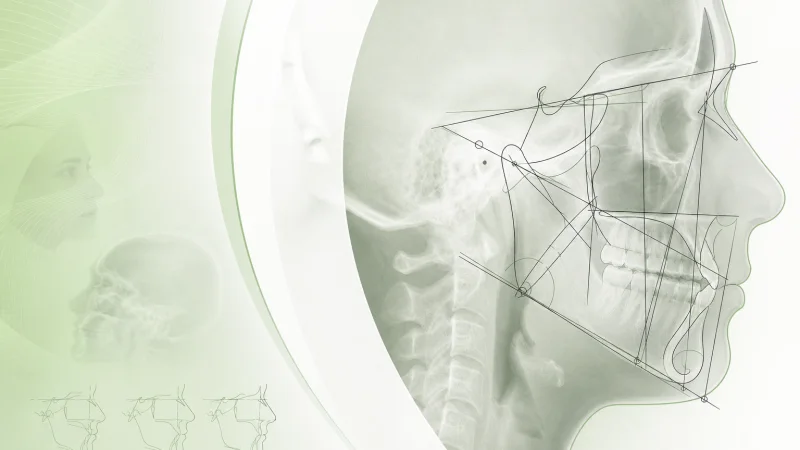
European norms Schmüth

Schmüth

G. Schmüth

Schmüth analysis: sagittal and vertical relationships and incisor position within the implemented index set.

Details
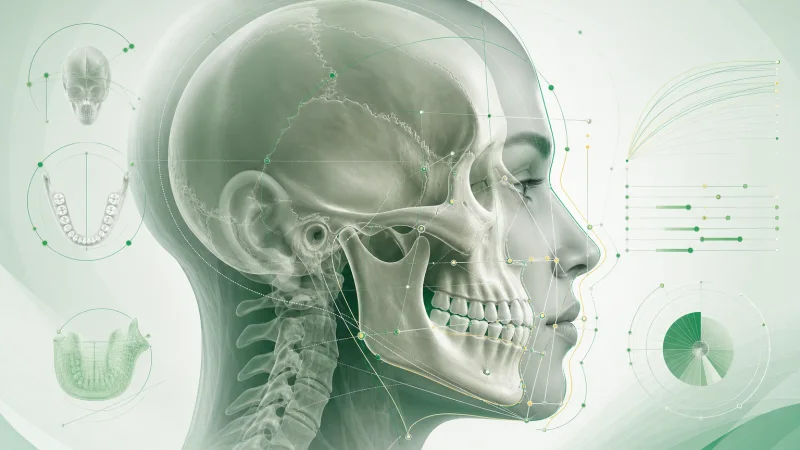
Many indices at once Tübingen

Tübingen

Tübingen analysis

Tübingen analysis: sagittal/vertical relationships, growth, linear dimensions, and occlusal parameters in the current CephCalc profile.

Details

Start for free

Full practice suite — Features page.

Academic basis of calculations

All CephCalc formulas follow primary sources — textbooks and papers by the method authors. The calculation engine matches the references below.

Lateral cephalometrics

  • Steiner C.C. Cephalometrics for you and me // Am. J. Orthodontics. 1953. Vol. 39. P. 729–755.
  • Ricketts R.M. Cephalometric analysis and synthesis // Angle Orthod. 1961. Vol. 31. P. 141–156.
  • Jarabak J.R., Fizzell J.A. Technique and treatment with the light-wire edgewise appliance. Mosby, 1972.
  • Schwarz A.M. Lehrgang der Gebißregelung. 1958.
  • McNamara J.A. A method of cephalometric evaluation // Am. J. Orthod. 1984. Vol. 86. P. 449–469.
  • Tweed C.H. The Frankfort-mandibular incisor angle in orthodontic diagnosis // Am. J. Orthod. 1954. Vol. 40. P. 162–182.
  • Wits Appraisal: Jacobson A. // Am. J. Orthod. 1975. Vol. 67(2). P. 125–138.

Dental arch biometrics

  • Bolton W.A. Disharmony in tooth size and its relation to the analysis and treatment of malocclusion // Angle Orthod. 1958. Vol. 28. P. 113–130.
  • Pont A. Der Zahnindex in der Orthodontie // Z. Zahnärztl. Orthop. 1909. Vol. 3. P. 306–321.
  • Linder-Harth // modification of Pont’s index.
  • Tanaka M.M., Johnston L.E. Prediction of the size of unerupted canines and premolars // J. Am. Dent. Assoc. 1974. Vol. 88. P. 798–801.
  • Little R.M. The irregularity index: a quantitative score of mandibular anterior alignment // Am. J. Orthod. 1975. Vol. 68. P. 554–563.
  • Snagina N.G. Relationship between tooth size and apical base. 1965.
  • Korkhaus G. Handbuch der Zahnheilkunde. 1939.

The clinician’s role in calculations

CephCalc automates geometry: once landmarks are placed, formulas run instantly without arithmetic errors. Result accuracy depends entirely on landmark quality — a professional skill that stays with the clinician. Interpreting values, diagnosis, and treatment decisions remain with the specialist, not the software.